
Question 28
NURSING-Readiness Benchmark Exam 2. The nurse prepares to administer morphine sulfate 8 mg via intravenous injection. The pharmacy provides morphine sulfate 15 mg/mL. How many milliliters should the nurse administer? Round to the nearest tenth.
- 0.4 mL
- 0.5 mL
- 0.6 mL
- 1.9 mL
Question 29
The nurse cares for a client with a nasogastric tube connected to low wall suction. The client reports nausea. Which action should the nurse take initially?
- Obtain an abdominal x-ray.
- Irrigate with 20 mL normal saline.
- Place the client in a supine position.
- Re-insert the nasogastric tube.
Question 30
The nurse cares for a client with a new colostomy. The client expresses fear about managing the colostomy, and when asked to look at the colostomy, turns away. Which action by the nurse is most appropriate?
- Have the unlicensed assistive personnel care for the colostomy.
- Include the client in the care and cleaning of the colostomy.
- Manage the colostomy for the client until the client is ready.
- Encourage the family to participate in care of the colostomy.
Question 31
The nurse develops a plan of care for a client on the psychiatric unit admitted with paranoid personality disorder with auditory hallucinations.
What is the most important intervention for the nurse to include?
- Place the client on suicide watch when out of bed.
- Apply restraints to the client while in bed to prevent self-harm.
- Determine from the client what the voices are saying.
- Ask the client to describe the people the client is seeing.
Question 32
The new nurse manager is getting ready to counsel a staff member for the first time since taking the role of the unit manager. The manager has an idea of the progressive disciplinary process that the hospital uses but wants to ensure that it is done correctly.
Which actions by the manager are most appropriate before the meeting? Select all that apply.
- Ask another nurse manager to explain the progressive disciplinary policy.
- Ask a more experienced nurse on the unit how progressive discipline works.
- Review the hospital’s electronic version of the policy on progressive disciplinary action.
- Ask colleagues if there is a hard copy of the progressive disciplinary action policy.
- Plan on giving the nurse a verbal warning since it is the first time counseling this nurse.
Question 34
The school nurse assists a 7-year-old child having an asthma attack with administration of the prescribed inhaler and notices what appear to be cigarette burn marks on the child’s arm.
When the nurse asks the child how the burns occurred, what statements by the child lead the nurse to place a call to Child Protective Services? Select all that apply.
- “Please don’t let them get my dad in trouble.”
- “I got them when I was playing rough with my big brother.”
- “It’s ok. I was being too loud, and I got a punishment.”
- “I fell and hit my arm when I was playing in the park.”
- “I don’t know how I got them; maybe the cat scratched me.”
Question 35
The nurse cares for a 56-year-old client in the emergency department.
- Vital Signs (2130): Blood Pressure 210/120.
- Vital Signs (2150): Blood Pressure 150/90.
- Medications: Fenoldopam infusion started at 25.2 mcg/min.
The nurse evaluates the effectiveness of the prescribed medication. When speaking with the health care provider, what will the nurse request?
- To increase the infusion rate
- To discontinue the infusion
- To keep the current infusion rate
- To decrease the infusion rate
Question 36
The charge nurse has delegated care of four clients to the night shift nurse who starts the shift at 1900.
Which client will the nurse see first?
- 38-week-gestation client just admitted with preeclampsia with a blood pressure of 168/112 mmHg requiring oxytocin and magnesium sulfate infusion
- 28-week-gestation type II diabetic client admitted for observation related to painful urination and blood glucose of 210; Awaiting urinalysis
- 40-week-gestation client just admitted from clinic; 4 centimeters dilated; Awaiting consents for epidural
- 35-week-gestation client reports having Braxton Hicks contractions; Fetal heart rate 130 bpm; Early decelerations noted on monitor
Question 37
The nurse cares for two clients who have colostomies. In planning care, the nurse establishes the same short-term goal for both clients. Client 1 achieved the goal and Client 2 did not.
What factors might have prevented Client 2 from achieving the goal? Select all that apply.
- The nurse was biased in favor of the assistance provided to Client 1 to help achieve the goal.
- Client 1 was allowed to participate in goal setting and Client 2 was not.
- The goal was not specific and realistic enough for Client 2.
- Client 2 was not motivated to reach the goal because of lack of involvement in the planning.
- Client 2 did not feel that enough time was given to achieve the goal.
Question 49
A nurse is caring for a client who is being induced for labor due to preeclampsia. The client is receiving oxytocin and magnesium sulfate. The client’s labor has been prolonged and the client asks, “Why is my labor taking so long?” Which of the following is the most appropriate response by the nurse?
- “You are also receiving magnesium sulfate, which is making your labor take longer.”
- “Every person’s labor is different. I’m sure your labor will start progressing soon.”
- “Your labor is taking a long time because your cervix was not dilated very much.”
- “The magnesium relaxes your uterus and competes with the oxytocin. It may increase the duration of your labor.”
Question 50
A nurse is developing a plan of care for a client who was recently diagnosed with Stage 4 lung cancer. The client states, “I’m so upset and anxious.” Which of the following actions should the nurse include in the plan of care?
- Provide the client with positive thinking strategies.
- Explain the side effects of chemotherapy to the client.
- Encourage the client to use relaxation techniques.
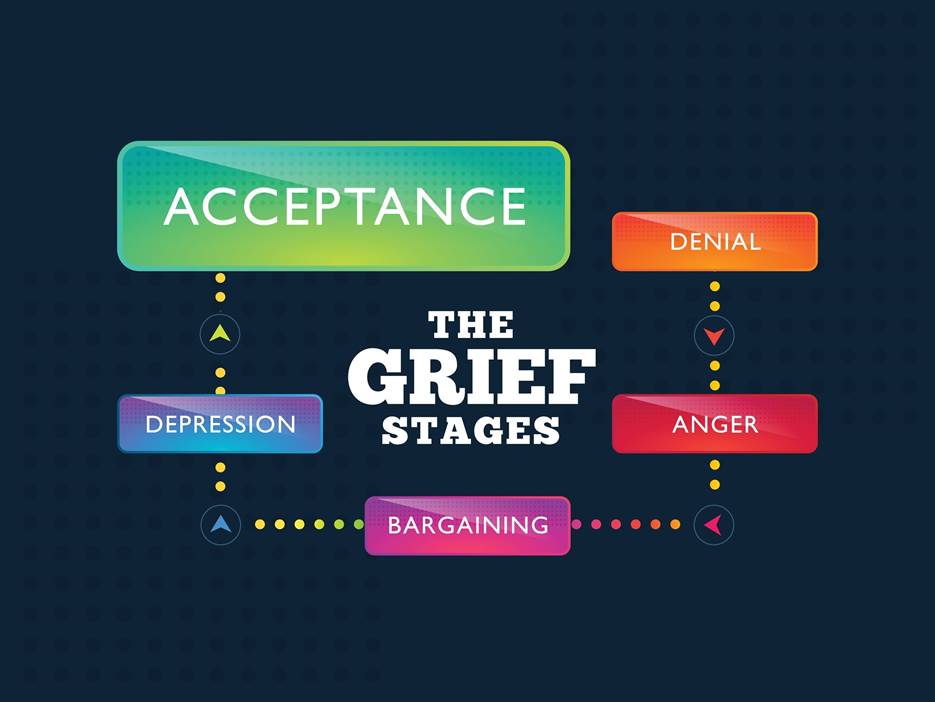
- Teach the client about the stages of grieving.
Shutterstock
Question 51
Nursing assessment reveals that a client is dehydrated. The health care provider has prescribed 1000 mL of normal saline to be administered at 200 mL/hour, then 1000 mL to be administered at 100 mL/hour. If the first bag is hung at 0800, at what time should the nurse schedule the lab to draw the Complete Blood Count (CBC)? (Enter numerical value only in military time.)
- 2300
Question 52
A nurse is caring for a client in the emergency department (ED). (Review the EHR tabs provided.)
Condition Most Likely Experiencing:
- Gastroesophageal reflux disease
Actions to Take (Select 2):
- Educate the client to avoid eating for 2 hours before bedtime.
- Administer a nitroglycerin infusion.
- Instruct the client to eat 4-6 small meals per day.
- Educate the client to avoid the use of NSAIDs.
Parameters to Monitor (Select 2):
- Murphy’s sign.
- Melena.
- Intake of fatty and fried foods.
- Continuous EKG results.
- Compliance with pantoprazole.
Question 53
A nurse is caring for a client with a chest tube to treat a pneumothorax. The health care provider removes the chest tube per protocol. Which of the following is the priority nursing action immediately after chest tube removal?
- Obtain the client’s oxygen saturation level.
- Monitor the client’s level of consciousness.
- Assess the client’s breath sounds.
- Assess the client’s respiratory rate.
Question 54
A nurse is caring for a 27-year-old client in the postoperative care unit. (Review the EHR tabs provided.) Click to highlight the information in the Electronic Health Record that requires corrective action.
- “Nitrofurantoin 100 mg PO q12h for 7 days” (Highlighted as the corrective action due to the lab showing MRSA, for which Nitrofurantoin is typically ineffective.)
Question 55
A nurse is assessing a client in the emergency department. (Review the Case Study information.)
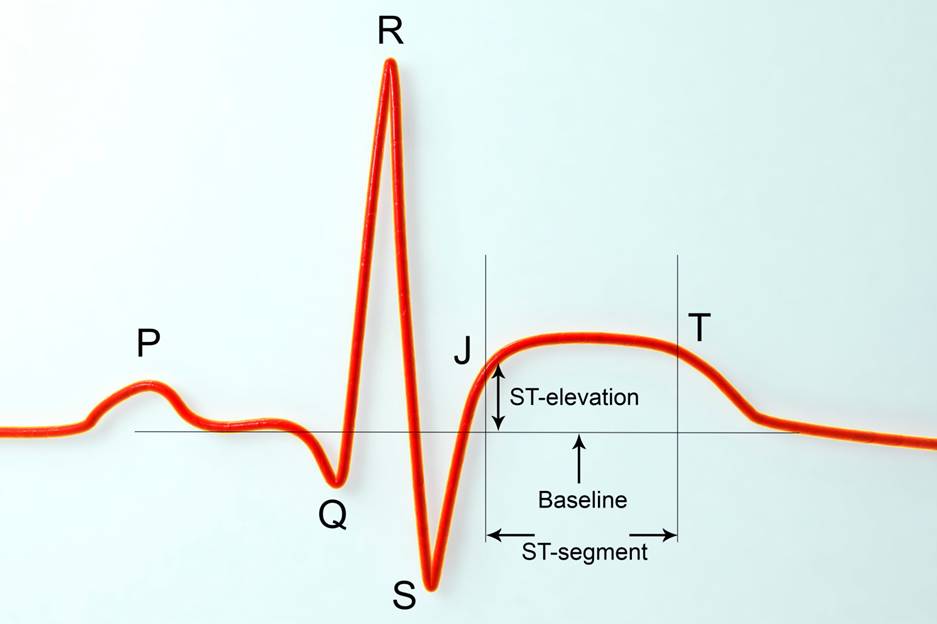
The nurse reviews the EKG strip and recognizes the client is most likely experiencing:
- ST-elevation myocardial infarction
Obtaining a(n) will verify this hypothesis:
- troponin level
The nurse’s priority action is to:
- prepare client for cardiac catheterization
Question 58
The nurse working in a mobile clinic sees clients in an underserved and resource-limited area. What assessment finding of a client indicates to the nurse that the client needs immediate health care beyond what the nurse can provide?
- Asthma inhaler has just a few doses left in the canister.
- Bilateral lower extremities with +3 edema.
- Blood glucose 158 mg/dL; did not take blood glucose pill today.
- Asks the nurse for some money to buy food.
Question 59
The nurse provides discharge teaching to a client who was prescribed a new drug to be administered via the sublingual route. What statement by the client indicates to the nurse that additional teaching is needed?
- “Because of my liver problems, it is safe to take this pill under my tongue.”
- “I know that what and when I eat can alter the effectiveness of this pill.”
- “I have digestive problems, so I’m worried that I won’t digest this new drug.”
- “I don’t like water, so it’s good that I do not have to take this pill with water.”
Question 60
The nurse instructs the unlicensed assistive personnel (UAP) assigned to a client with major depression to remove all items from the client’s meal tray that can be used as a weapon. What assessment finding prompted the nurse to implement this intervention? Select all that apply.
- The client asked that no visitors be allowed into the room.
- The client stated, “Life is hopeless and empty.”
- The client said, “My son died in the accident, and I miss him a lot.”
- The client prefers to eat with their hands and not a knife and fork.
- The client expressed suicidal ideations to the nurse.
Question 61
The nurse cares for a client with fibromyalgia who experiences chronic pain. Which interventions should be included in the client’s plan of care? Select all that apply.
- Collaborate with physical therapy.
- Administer prescribed pain medication.
- Offer options for non-pharmacological pain management.
- Offer client ibuprofen as a routine pain reliever.
- Activate the rapid response team.
- Instruct client on relaxation techniques.
Question 62
A client with severe panic attacks is being admitted to the unit. Which short term goal is most appropriate for the nurse to include in the client’s plan of care?
- Panic attacks will decrease from 4 weekly to no attacks in the next 6 months.
- Fear of losing control will decrease from 3 to 1 episode daily by the end of next week.
- Nurse will administer medication as prescribed and document client’s behaviors.
- Client will no longer experience feelings of detachment and impending doom.
Question 63
The nurse cares for a client in the emergency department with a painful ankle following a fall while running. The client is seen holding an ice pack to the affected ankle. Which is the next nursing action?
- Apply sequential compression device.
- Perform passive range of motion.
- Elevate the extremity on a pillow.
- Alternate applying ice packs and heat.
Question 64
A parent asks the nurse whether their infant is susceptible to pertussis and whether they should consent for their infant to receive the pertussis vaccination. The nurse’s response should be based on which statement concerning susceptibility to pertussis?
- Children younger than 1 year seldom contract this disease.
- Most children are highly susceptible from birth.
- Neonates will be immune to pertussis in the first few months of life.
- If the mother has had the disease, the infant will receive passive immunity.
Stroke Prevention Question
The nurse and nutritionist prepare to educate a group of clients regarding stroke prevention. What information should they include in their teaching? Select all that apply.
- Eliminate caffeine consumption.
- Increase physical activity.
- Decrease salt intake.
- Consume alcohol as desired.
- Avoid cigarette smoking.
- Eat a diet low in saturated fat.
Influenza Case Study
Nursing Notes (10/29, 0830): 74-year-old client presents to the clinic requesting the influenza vaccine. Client has a history of Guillain-Barré Syndrome and hypertension. BP 140/86, HR 92, RR 18, Temp 98.9°F, SpO2 96%. Prescription (0940): Administer a dose of live attenuated influenza vaccine (nasal spray).
Based on the information in the client’s electronic health record, what nursing action is most appropriate?
- Tell the client that administering the influenza vaccine is too dangerous.
- Administer the vaccine, but change it to the injection route instead.
- Administer the prescribed influenza vaccine and document the client’s tolerance.
- Hold the influenza vaccine and verify the prescription with the health care provider
Question 65: COPD and Sleep Hygiene
Question: The nurse performs an assessment on a client with chronic obstructive pulmonary disease who reports sleeping less than six hours a day. Which recommendations should the nurse encourage to promote sleep? Select all that apply.
- Engage in active stretching exercises before bed.
- Establish a regular bedtime routine.
- Drink a cup of coffee at bedtime.
- Increase the temperature in the bedroom.
- Do not eat a large meal before bed.
- Take a warm bath before bedtime.
Question 66: Cultural Dietary Needs
Question: Four clients in the dining room of a skilled nursing facility have been served lunch, but only three ate the meal. The other client, who practices the Islam faith, did not eat any item from the meal tray of ham, mashed potatoes, and green beans. What nursing action is the priority?
- Remove the tray and document that the client refused the meal.
- Practicing Muslims do not eat vegetables, so remove the meal and bring the client something else.
- Ask the client what other food is desired since practicing Muslims do not eat pork.
- Remove the ham from the client’s plate and leave the remaining food items.
Question 65 (Alcohol Intake): Emergency Assessment
Question: A client presents to the emergency department at 2200 with several broken bones sustained in a motor vehicle accident. The client’s blood alcohol level is several times over the normal limit, and the client admitted to leaving a bar just before the accident occurred. The client is transferred to the orthopedic unit at 2245. What assessment related to the alcohol intake is most important over the next few hours as the nurse cares for the client?
- Neurovascular assessments.
- Pain and discomfort to injured areas.
- Body shakiness and agitation.
- Client’s requests for alcohol.
Question 68: COPD Care Goals
Question: A client with chronic obstructive pulmonary disease is admitted to the unit and is receiving inhaled corticosteroids. What is an appropriate goal that should be included in the client’s plan of care?
- Will maintain oxygen saturation between 95-100% at all times.
- Will consume 75% of three main meals each day.
- Will remain free of fungal oral infection throughout hospital stay.
- Will not experience any symptoms of respiratory distress.
Case Study: Urgent Care Assessment (Item 1 of 6)
Question: The nurse cares for the 28-year-old client in the urgent care clinic. Which client data is most concerning? Select all that apply.
- Intermittent dyspnea
- Blood pressure
- Cough
- Temperature
- Medical history
- Lung sounds
- Respiratory rate
- Appetite
- Fatigue
Case Study: Diagnostic Consistency Table
Question: For each client cue, click to specify if the cue is consistent with respiratory infection, asthma, or both.
| Client Cue | Asthma | Respiratory Infection |
| Cough | ✅ | ✅ |
| Dyspnea | ✅ | ✅ |
| Respiratory rate | ✅ | ✅ |
| Fatigue | ✅ | ✅ |
| Chest x-ray impression | ✅ | |
| Temperature | ✅ |
(Note: Items marked with a check in both columns indicate “Both”.)
Case Study: Follow-up Questions
Question: Which questions should the nurse ask to gather further relevant data from the client? Select all that apply.
- “At what age were you diagnosed with hypothyroidism?”
- “Do you use a humidifier in your room when you are sleeping?”
- “At what time of day do your symptoms seem to be worse?”
- “Is there a history of adult-onset asthma in your family?”
- “Do you smoke or are you exposed to cigarette smoke regularly?”
- “Do you have pets that live in your home with you?”
- “Is there anything that triggers your breathing difficulties?”
- “Do you take acetaminophen when you experience pain?”
- “What type of environment do you work in?”
Case Study: Nursing Actions
Question: For each nursing action, click to specify if the action is indicated or not indicated in the client’s care.
| RN Actions | Indicated | Not Indicated |
| Apply oxygen via nasal cannula | ✅ | |
| Monitor intake and output | ✅ | |
| Monitor pulse oximetry | ✅ | |
| Administer intravenous fluid bolus | ✅ | |
| Administer bronchodilator via nebulizer | ✅ | |
| Obtain chest x-ray | ✅ (Already performed) |
Case Study: Most Concerning Statement
Question: Identify the client statement that is most concerning to the nurse. Select one option.
- “I haven’t really gotten any better since my last visit.”
- “We gave our cats to our neighbors and had the apartment deep cleaned.”
- “My partner also quit smoking in the car or around me at all.”
- “I finished my 30-day prednisone prescription just like I was told.”
- “I have been taking my budesonide and salmeterol inhalers twice a day, every day.”
- “I have also been taking my albuterol inhaler every night at bedtime.”
Case Study: Discharge Education
Question: The nurse prepares the client for discharge. Which information should be included or not included in the education?
| Discharge Education | Include | Do Not Include |
| “Use a peak flow monitor daily and record your readings.” | ✅ | |
| “Wear a mask whenever outdoors.” | ✅ | |
| “Follow up with your provider for home oxygen equipment.” | ✅ | |
| “Lie down when an asthma attack begins.” | ✅ | |
| “Keep the albuterol inhaler with you at all times.” | ✅ |
